AC and Mold Prevention: What Orlando Homeowners Must Know
Published: 2026-04-25 · By TrueCold Air Conditioning Repairs
Orlando's humid summer months can feel unbearable, especially when the air conditioning falters. Imagine returning home after a long day to discover that not only is your AC unit on the fritz, but you can also smell the distinct odor of mold creeping in. This scenario isn't just uncomfortable; it highlights a crucial aspect of home maintenance that many Orlando homeowners overlook—preventing mold with effective air conditioning. Understanding how humidity, salty air, and storms affect your home can save you time and money when it comes to home upkeep.
Why This Matters for Orlando Homeowners
As an Orlando resident, you're likely familiar with the constant battle against humidity. High moisture levels in the air contribute significantly to the growth of mold in homes, especially in properties built in subtropical climates. When combined with rain from tropical storms, the threat increases. Another aggravating factor is the coastal salt in the air, which accelerates the corrosion of air conditioning units and can lead to costly repairs or replacements. Mold growth not only poses health risks but also damages structural components of your home.
It’s crucial to understand that mold thrives in warm, damp environments, making homes in Orlando particularly vulnerable. If your unit isn't functioning optimally, the chances of water accumulating and resulting in mold growth increase. Over time, this can lead to compromised indoor air quality, requiring costly remediation services.
Expert Solutions & Actionable Tips
1. Regular AC Maintenance
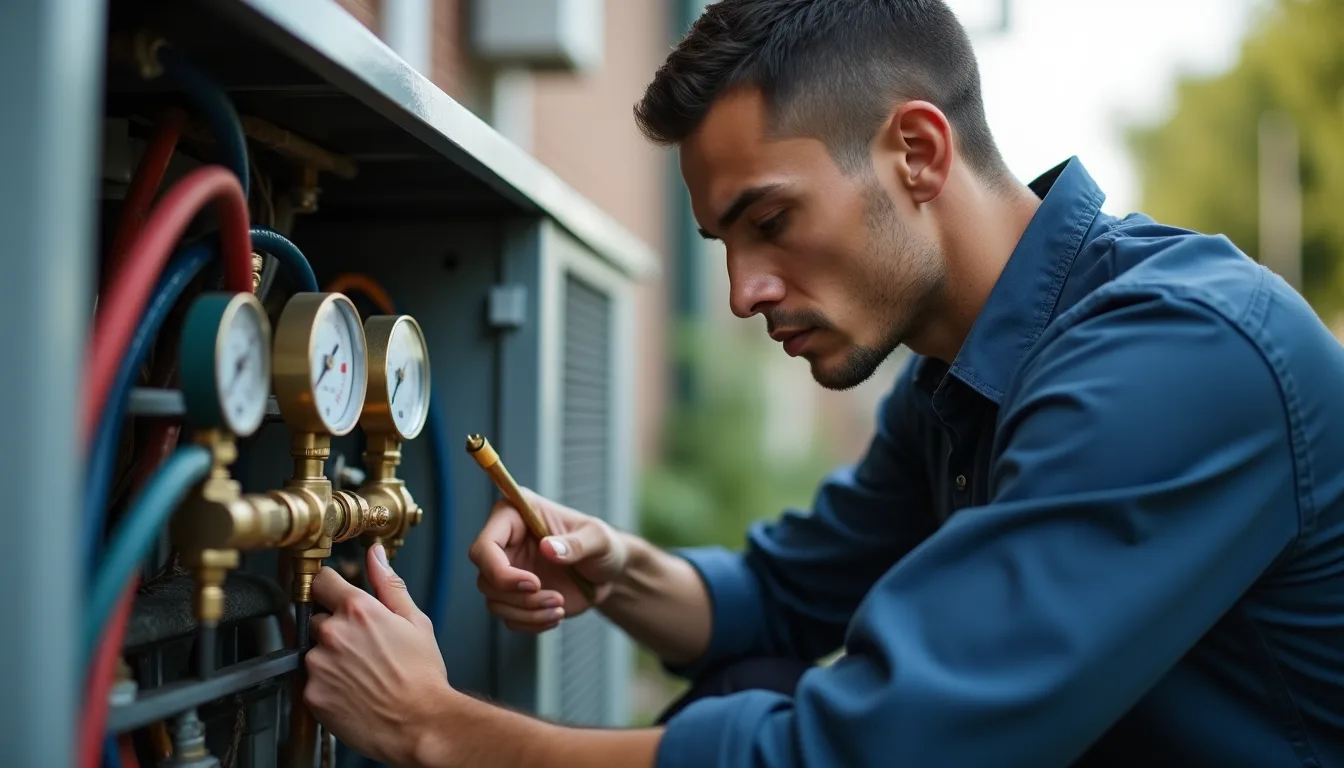
Regularly scheduled maintenance can be a game changer. Orlando homeowners should consider having their air conditioning units serviced at least twice a year. This service typically costs around $75-$150 per session, depending on the provider and the extent of the inspection. A trained technician will clean filters, check for corrosion, and ensure the system is running efficiently to combat humidity.
2. Invest in a Dehumidifier
Adding a whole-home dehumidifier can help reduce moisture levels significantly. While the initial investment ranges from $1,200 to $2,500, depending on your home size and installation complexity, it pays off by preventing mold growth and maintaining a comfortable living environment. It's an especially worthwhile option for homes that struggle with high humidity.
3. Use Exhaust Fans Wisely
Proper ventilation is critical in moisture-prone areas like kitchens and bathrooms. Installing exhaust fans can help remove excess moisture. A standard fan installation can cost around $200-$500. Make sure to vent outside to maximize their effectiveness in humidity control and decrease potential mold food sources.
4. Monitor Indoor Humidity Levels
Using a hygrometer, you can easily monitor the humidity levels in your home. Levels above 60% are ideal conditions for mold growth. Hygrometers are affordable, usually priced between $10 to $30. If your levels are high, taking immediate action is crucial to mitigate mold risks.
5. Seal Windows and Doors Properly
Improperly sealed windows and doors can allow warm, moist air into your home. Re-caulking these areas can improve energy efficiency and lower indoor humidity. Expect to spend around $50-$150 for supplies and hiring help if needed. This preventive measure keeps the AC working more effectively.
6. Regularly Change Air Filters
Air filters should be changed every 1-3 months. Not only does this maintain efficiency, but it also reduces the amount of dust and allergens circulating in your home, which can exacerbate mold growth. Filters typically cost between $10 to $50 each. Investing in high-quality filters will yield significant long-term benefits.
Orlando Climate & Local Context
Orlando’s subtropical climate brings not only warmth but also seasonal humidity levels that often hover above 80% during summer months. This climate places unique demands on building materials and HVAC systems. Typically, homes here are elevated with moisture barriers that can aid in reducing the chances of water intrusion in lower living spaces. However, without proper maintenance of air conditioning units, the effectiveness of these barriers diminishes rapidly.
Furthermore, local code regulations often require that air conditioning repairs comply with strict safety standards, especially due to the prevalence of tropical storms. Homeowners must ensure their installations meet these codes to protect both their homes and their families. Failing to do so may lead to unwanted fines and increased repair costs.
When to Call a Professional
Deciding when to tackle air conditioning issues on your own versus calling a professional can be tricky and context-dependent. Simple tasks like changing air filters can safely be a DIY job, but other scenarios often warrant professional help. Notably, if you observe any of the following signs, it's advisable to reach out to a trusted expert like TrueCold Air Conditioning Repairs.
- Unusual sounds coming from the unit
- Unpleasant odors that suggest potential mold
- Excessive moisture or leaks around the unit
- Significantly increased energy bills without changes in usage
- If the unit cycles on and off frequently
- Visible rust or corrosion on the system
- Inconsistent temperature across different rooms
Being proactive about these issues can save you from expensive repairs or health risks associated with mold.
Frequently Asked Questions
How often should I have my AC serviced in Orlando?
For optimal performance in Orlando's climate, it's recommended to have your AC serviced at least twice a year.
What is the typical cost for AC repair in Orlando?
The cost for AC repairs in Orlando typically ranges from $150 to $600, depending on the severity of the problem and parts that may need replacement.
Can I clean my AC unit myself?
While basic maintenance like changing filters can be done by homeowners, deep cleaning and complex repairs should be left to professionals.
What are signs that my AC unit has mold?
Signs of mold in your AC unit include musty odors, visible mold growth on surfaces near the unit, and increased respiratory issues when the AC is operating.
How can I improve indoor air quality?
Improving indoor air quality can be achieved by regularly changing filters, using air purifiers, and ensuring proper ventilation throughout your home.
Get Expert Air Conditioning Repair Service in Orlando
If you’re an Orlando homeowner looking to ensure your air conditioner is equipped to combat mold and humidity, don’t hesitate to reach out. Call (689) 215-0459 to consult with the experts at TrueCold Air Conditioning Repairs. Protect your home and health from excessive moisture today!
Your comfort is too important to overlook; choose the experts who understand local conditions.