5 Quick Fixes Before Calling Air Conditioning Repair in Orlando
Published: 2026-04-25 · By TrueCold Air Conditioning Repairs
Imagine it’s the sweltering summer in Orlando, with humidity levels soaring and the heat pressing down relentlessly. Your air conditioning system, your sanctuary from the tropical heat, suddenly sputters to a stop. Before you panic and dial up an HVAC repair service, consider some quick troubleshooting steps. Understanding how to manage your cooling system effectively can save you time, money, and unnecessary stress during those muggy Florida months. Here’s how you can take control, right from your home.
Why This Matters for Orlando Homeowners
In Orlando, where the air can feel thick with humidity and salt from the nearby coast, air conditioning units are put to the test. Rust and corrosion from the salty air can wreak havoc on metal components, and the seasonal storms only add to the challenge. Maintaining cooling systems in this climate is essential for homeowners to avoid uncomfortable living conditions, especially as families rely on air conditioning not just for comfort but for health.
Becoming aware of potential issues allows you to act quickly before small problems evolve into costly repairs. For instance, in Florida, where homes often stand elevated with moisture barriers, keeping up with regular maintenance and timely repairs is crucial. A well-maintained system can also lower energy bills, which is always beneficial in the oppressive heat of summer.
When encountering air conditioning issues, don’t hesitate to look for early signs of trouble to prevent major disruptions. It’s essential to get familiar with your HVAC system so that you can spot any anomalies before they escalate.
Expert Solutions & Actionable Tips
1. Check Your Thermostat Settings
Start by making sure your thermostat is set to a lower temperature than your current indoor climate. If it's mistakenly set to 'off' or 'fan only', your AC won’t cool the air. Try replacing the batteries if your thermostat is battery-powered; a simple pack of AA batteries typically costs around $5 and can be a quick fix.
If your thermostat is programmable, ensure it’s not in 'saver mode' or an energy-efficient setting that prevents it from running fully. Adjustments here might resolve your cooling issues immediately, especially during peak usage hours.
2. Inspect and Clean Air Filters
Dirty air filters can block airflow, causing your AC unit to operate inefficiently. In Orlando's humid climate, it’s best to inspect and clean or replace filters every month. A new filter usually costs between $10 and $40, depending on the brand.
For optimal performance, use HEPA filters, as they trap more particulate matter that gets stirred up in the humid air. Easy access to your filters means you can maintain your unit regularly, ensuring it channels cool air throughout your home seamlessly.
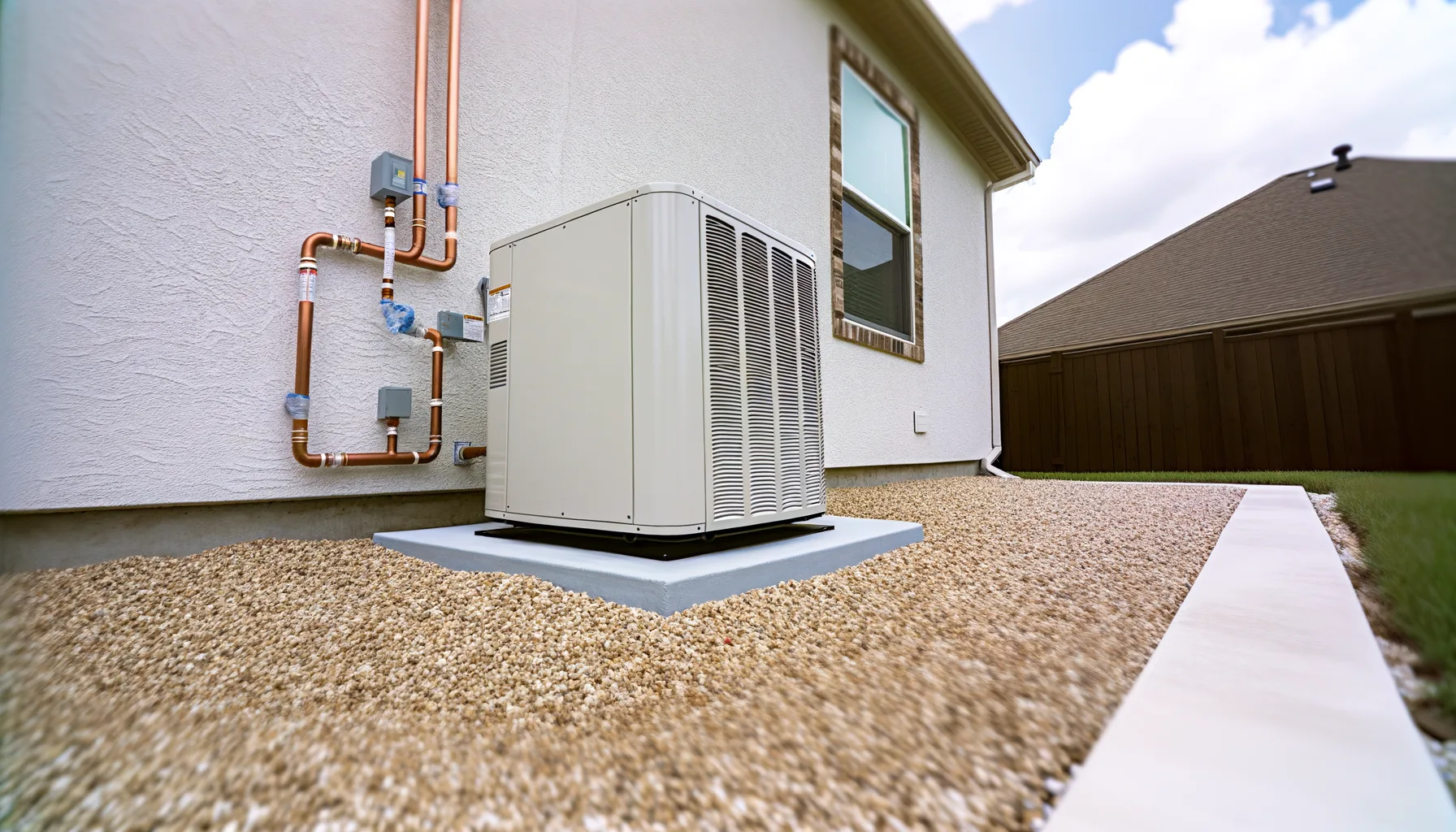
3. Clear Debris From Outdoor Units
Your outdoor unit may quickly become a resting place for leaves and dirt, particularly during hurricane season. Ensure it’s clear of debris to maintain airflow and proper cooling. A consistent clean-up can be done bi-weekly; it typically doesn’t take more than 15-30 minutes.
If you find physical blockages after storms, use a garden hose to rinse away any debris gently. This maintenance step promotes longevity and efficiency, especially in Florida’s changing weather conditions.
4. Check Circuit Breakers
If your AC unit is unresponsive, the circuit breaker may have tripped. Check your electrical panel first; a reset can sometimes solve the problem. There’s no need for costly technicians to come out for this simple troubleshooting step.
Rest assured that a tripped breaker could simply be a sign that the AC unit was overloaded during peak usage. This solution can save you both time and money in the humid months when you need your cooling system most.
5. Examine Refrigerant Lines
Look for any visible signs of wear on the refrigerant lines. If you spot any leaks or ice formation, that’s a sign your system requires attention. Minor leaks can sometimes be taped temporarily, allowing you to call for repairs later while keeping your unit running short-term.
If your unit is using Freon, remember that this refrigerant is not only costly but can be difficult to source due to regulatory changes, making it vital to address leaks as soon as they appear.
6. Keep Vents Clear
Blocked vents hinder the efficiency of your air conditioning system. Make sure furniture and other items are not obstructing any supply vents in your home. Clearing these blockages can help maintain optimal airflow.
In humid climates, effective air circulation is key to dehumidifying spaces, and ensuring every vent is unobstructed can help keep your home cooler with less effort from your AC unit.
Orlando Climate & Local Context
Orlando's climate is characterized by high humidity and the distinct presence of salt air from the nearby coast, which accelerates the corrosion of metal fixtures. Florida's tropical storms can also pose a threat to residential air conditioning systems. Homeowners here often contend with elevated homes designed to provide better drainage, and many properties are equipped with moisture barriers that can impact HVAC system placements.
Understanding local building codes is crucial as well. Modifications to any heating and cooling systems require permits in many cases, especially following storm damage. Additionally, finding understanding technicians who know the specifics of Orlando’s unique building context can ensure your air conditioning repairs are done with longevity in mind.
When to Call a Professional
While some air conditioning issues can be resolved on your own, it’s paramount to recognize when professional help is needed. DIY repairs can save money initially but mistreating or misdiagnosing systems can lead to further complications or even hazardous situations.
Here are some red flags to watch for that indicate it’s time to call in TrueCold Air Conditioning Repairs:
- Foul odors emanating from vents.
- Water pooling around your AC unit.
- Strange noises when the unit is running.
- No cool air coming from vents.
- High energy bills without a clear explanation.
- Frequent tripping of circuit breakers.
- Condensation or ice on refrigerant lines.
- Repeated need for refrigerant recharge.
Frequently Asked Questions
How often should I service my air conditioning unit in Orlando?
In Orlando's humid climate, it’s recommended to have your air conditioning unit serviced at least once a year. However, biannual maintenance can improve performance and efficiency, particularly before peak summer and winter months.
What are some signs my AC unit needs repairs?
Common signs include unusual noises, fluctuating temperatures, increased energy bills, or frequent cycling on and off. If you notice any of these, it might be time to contact TrueCold Air Conditioning Repairs.
Can I perform maintenance myself?
Yes, basic maintenance like cleaning filters and checking the thermostat is something homeowners can do. However, any significant repairs should be handled by professionals to ensure safety and compliance with local codes.
What is refrigerant, and why is it important?
Refrigerant is the chemical used in air conditioning systems to absorb heat from the home. It’s critical because if levels are low, the efficiency decreases, and it can lead to larger mechanical failures that require repairs.
How long does it usually take to repair an air conditioning unit?
Repair times can vary based on the issue, but most common repairs can be completed within a few hours. In some cases, such as refrigerant leaks, it may take longer depending on the source of the problem.
Get Expert Air Conditioning Repair Service in Orlando
Don’t let the Orlando heat get the best of your comfort at home. If you’ve tried these quick fixes and your air conditioning is still not performing as needed, call (689) 215-0459 for expert assistance. Trust TrueCold Air Conditioning Repairs for your local AC service needs.
Take proactive steps for a cooler, more comfortable home—connect with us today!